
"coffee dry season"
5000 article(s) found

Introduction to the characteristics of Antigua Coffee Flavor Manor in Guatemala with good balance
Guatemala is located in the tropics, the northern and eastern coastal plains have a tropical rain forest climate, the southern mountains have a subtropical climate, the year is divided into two dry and wet seasons, with the wet season from May to October and the dry season from November to April of the following year. The narrow and fertile flatlands on the Pacific side of Guatemala have a tropical climate. The central plateau is also the cultural center of Guatemala, where the year-round temperature ranges from 1300 to 1800 meters.

Introduction to the Flavor and Taste Manor of Colombian Fine Coffee beans treated by Sun drying
Cauca province is similar to other southwest producing areas, the precipitation shows an obvious unimodal distribution (monomodal), and the dry season mainly occurs from August to September every year, followed by a concentrated coffee blossom season followed by the next year's concentrated coffee harvest season. The biggest difference in climate between Cauca and other producing areas is probably the relatively large temperature difference, with an average daily temperature of 11 ℃ and daytime.

An introduction to the flavor and taste of the pleasant-scented Guatemalan coffee manor
Rainforest Rainforest Cobn: it is cloudy, rainy and cool all the year round. The vast majority of Koban coffee in the rainforest is grown in the obviously undulating and foggy mountains of the region and is deeply influenced by limestone and clay in the Atlantic basin. Koban has two seasons: the rainy season and the rainy season. Rainforest Coban Cup Test feature (Rainforest Cobn cup profile) Rainforest Cobn
Guatemala Coffee Manor Guatemala Antigua Guatemala
[guide] the Ekatlago Valley rises to 2000 meters (6500 feet), with dense shade and unique ecology, and the nearby Fuego volcano erupts, making its coarse, sandy soil rich in various minerals. Temperate sea breezes from the Pacific Ocean and seasonal climate have raised the Ekatangol Valley in Guatemala Guatemala to 2000 meters (6500 feet).

Intense and inviting Guatemala coffee estate region Flavor Taste Characteristics Fine coffee beans Introduction
Guatemala is located in the tropics. The northern and eastern coastal plain areas belong to tropical rain forest climate, and the southern mountainous areas belong to subtropical climate. There are two dry and wet seasons in a year. The wet season is from May to October, and the dry season is from November to April of the following year. Guatemala has a tropical climate on the narrow, fertile plains of the Pacific Ocean. The central plateau is also the cultural center of Guatemala, where year-round temperatures range from 1300 to 1800 meters
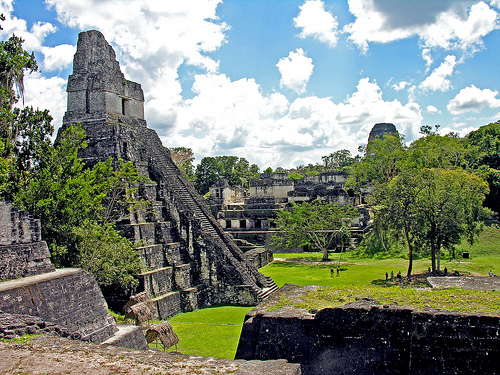
World boutique coffee beans: an introduction to the species, characteristics and attributes of coffee beans in eight major producing areas of Guatemala
[guide] the Ekatlago Valley rises to 2000 meters (6500 feet), with dense shade and unique ecology, and the nearby Fuego volcano erupts, making its coarse, sandy soil rich in various minerals. The temperate sea breeze from the Pacific Ocean and the seasonal climate make the Ekatran Valley in this producing area rise to 2000 meters (6500 feet), with dense shade and unique ecology.
High-quality coffee beans with rich layers: 990 + planting situation of fine coffee beans, geographical location, simple climate, simple altitude
Red Honey Kiss (Nekisse Red N2): [Origin]: 90 + Ethiopia Wellega (Waliga) and Sidama (Hidamo) production areas [season]: 2013-2014 [Variety]: Ethiopian Native species [Level]: 39 [altitude]: 17502000m [treatment]: sun [flavor]: red treatment enhances blueberry, cherry, brandy

The coffee beans from that coffee farm are better than those from Ladisha Manor.
Located in the tropics, there are many volcanoes in the territory, the northern and eastern coastal plains have a tropical rain forest climate, and the southern mountains have a subtropical climate. The year is divided into two dry and wet seasons, with the wet season from May to October and the dry season from November to April of the following year. The annual precipitation is 2000-3000 mm in the northeast and 500-1000 mm in the south. Forests account for half of the country's area and are the best latitude for coffee production.
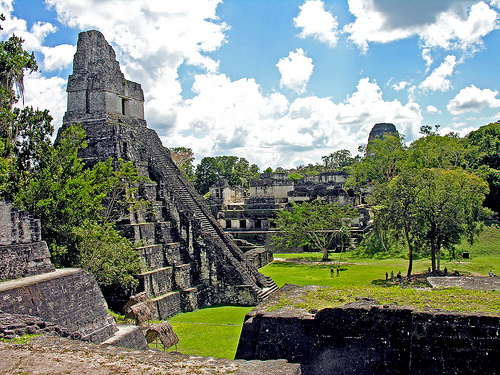
Introduction of boutique coffee manor: a detailed introduction of the characteristics and attributes of coffee in the eight major producing areas of Guatemala
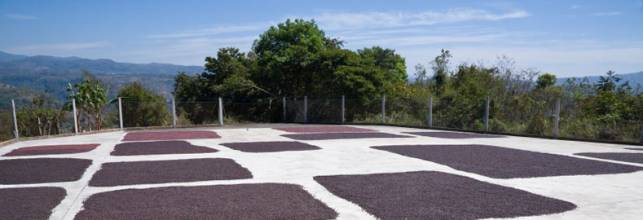
The Ekatlago Valley is 2000 meters (6500 feet) above sea level, with dense shade and unique ecology. The nearby Fuego volcano erupts, making its coarse, sandy soil rich in a variety of minerals. Temperate sea breezes from the Pacific and a seasonal climate allow coffee in this region to be dried by sunlight and processed according to traditional family methods that have been accumulated over the years. [characteristics]

Introduction to boutique coffee manor: a detailed introduction to the characteristics and attributes of coffee in the eight major producing areas of Guatemala
The Guatemala Ekatran Valley in Guatemala is 2000 meters (6500 feet) above sea level, with dense shade and unique ecology. The nearby Fuego volcano erupts, making its coarse, sandy soil rich in a variety of minerals. Temperate sea breezes from the Pacific Ocean and a seasonal climate make coffee in this region dependent on sunlight drying for many years.

Guatemala Antigua Coffee Beans Fresh Roast Guatemala Price Origin
The Akatango Valley rises to 2000 meters (6500 feet), is densely shaded and ecologically unique, and the nearby Fuego volcano is a fault eruption, making its coarse, sandy soil rich in various minerals. Temperate sea breezes from the Pacific Ocean and seasonal climates raise this region to 2000 meters (6500 feet) in the Guatemala Eqatango Valley.

High-quality coffee beans are introduced in the coffee manor of Guatemala, which has the longest history.
Located in the tropics, there are many volcanoes in the territory, the northern and eastern coastal plains have a tropical rain forest climate, and the southern mountains have a subtropical climate. The year is divided into two dry and wet seasons, with the wet season from May to October and the dry season from November to April of the following year. The annual precipitation is 2000-3000 mm in the northeast and 500-1000 mm in the south. Forests account for half of the country's area and are the best latitude for coffee production.
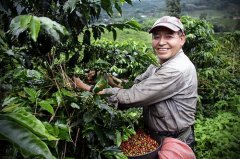
The four largest coffee producing areas in Colombia is one of the few individual coffees sold under the national name in the world.
As long as it is delicious coffee, coffee consumers are willing to pay a high price; as long as delicious coffee is provided, consumers will not abandon coffee and the market will grow. High-quality coffee represented by boutique coffee is better than big business coffee producers and consumers have discovered this simple fact. In recent years, coffee producing countries no longer blindly pursue high output while neglecting quality.
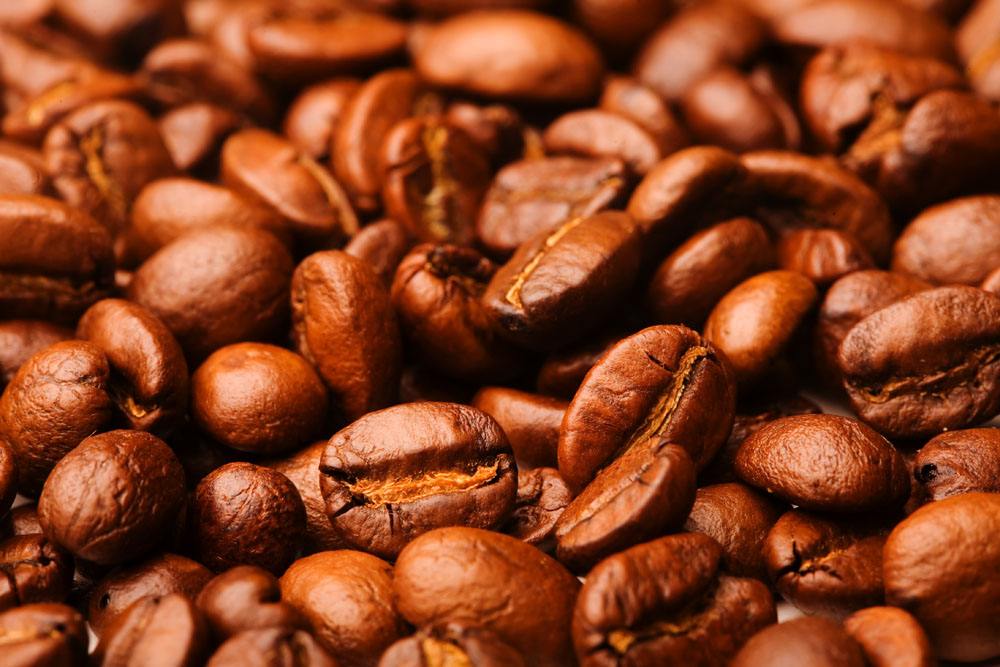
Introduction of boutique coffee 90 +
Following Cafe Review (official account vdailycom of Wechat) found that Cafe Cafe opened a small shop of its own (Sillvia Solkiln N2): [Origin]: 90 + Panamanian Rosa Manor [season]: 2013: 2014 [Variety]: Rosa [Level]: 95 [altitude]: 1250m-1650m [treatment]: 90 + patented Solkiln tanning house

Costa Rican Tarazu processing Plant Royal Coffee Costa Tarazu Flavor
The flavors are summarized as follows: 1) dry fragrance: when grinding powder, it feels fragrant and full-bodied, with a unique vanilla fragrance. 2) Wet fragrance: light floral and very weak tea aromas, slightly sweet BlackBerry fruit and a touch of caramel, sour, weak sweetness and chocolate. After the entrance, the palate is quite balanced and pure, mellow, very smooth, slightly sweet and sweet.

Huakui 3.0 Ethiopia Dry Bella Mountain View Treatment Plant Sunlight Huakui 2019 New Production Season
Professional coffee knowledge exchange More coffee bean information Please pay attention to coffee workshop (Weixin Official Accounts cafe_style) Ethiopia Sidama Sunlight Flower Chief Grade G1 Treatment Method Shelving Sunlight Elevation 1950-2050m Coffee Variety: Ethiopia Heirloom Soil Condition: Humus Rich Redbrown Soil Treatment Method: Natural Sunlight Coffee Red Fruit Maturity Date: 1

Flavor and taste of coffee manor in Indonesia Kahayang Gan Manor
There are usually two harvest seasons in Indonesia, the main harvest season (main crop) occurs from September to October, and the second harvest season (fly crop) occurs from May to June. Arabica will be picked by hand, wbrIndonesian wbrCoffee (I) Coffee processing Coffee from Java is traditionally washed. Sumatra and Sulawesi are extreme.

Guatemala Antigua Coffee Flavor description introduction to the treatment of varieties in producing areas
Guatemala is located in the tropics, the northern and eastern coastal plains have a tropical rain forest climate, the southern mountains have a subtropical climate, the year is divided into two dry and wet seasons, with the wet season from May to October and the dry season from November to April of the following year. The narrow and fertile flatlands on the Pacific side of Guatemala have a tropical climate. The central plateau is also the cultural center of Guatemala, where the year-round temperature ranges from 1300 to 1800 meters.

Introduction to the planting characteristics of coffee bean producing areas in Guatemala
Follow Cafe (official Wechat account vdailycom) found that the Ekatlago Valley rises 2000 meters (6500 feet) to 2000 meters (6500 feet). The shade is thick and the ecology is unique. The nearby Fuego volcano erupted, making its coarse, sandy soil rich in various minerals. The temperate sea breeze from the Pacific and the seasonal climate make this producing area

Coffee Manor Ladisha Manor washing Coffee Raw beans
Located in the tropics, there are many volcanoes in the territory, the northern and eastern coastal plains have a tropical rain forest climate, and the southern mountains have a subtropical climate. The year is divided into two dry and wet seasons, with the wet season from May to October and the dry season from November to April of the following year. The annual precipitation is 2000-3000 mm in the northeast and 500-1000 mm in the south. Forests account for half of the country's area and are the best latitude for coffee production.